
Our Services
Explore our range of services designed to help you move forward with confidence, wherever you're headed next.
[Services]
qUIT FOR GOOD TREATMENT
Taking it one day at a time
The phrase “take it one day at a time” is so widespread that it’s pretty much become a cliché. But that doesn’t make it any less true. Recovery is a lifelong journey — emphasis on the word journey. There’s no way to skip ahead; you just have to stay in the moment and take it step by step.
"Success is the sum of small efforts, repeated day in and day out" – Robert Collier
"I personally believe this: We have only today; yesterday’s gone, and tomorrow is uncertain. That’s why they call it the present. And sobriety really is a gift… for those who are willing to receive it" – Ace Frehley
These feelings, no matter how painful, are part of living. Today, we are alive— not anaesthetised, not sedated, not passed out. Take control of your feelings, and through action, you can change. Today, as every day of sober living, we have a choice. – Ann D. Clark
Recovery is a lifelong journey of self-discovery, growth, and transformation. Managing addiction requires you to make a thousand different changes in yourself, in your outlook, and in your environment. The person you are at the start of addiction treatment is completely different from the person you’ll become after ten years of sobriety—but it’s still YOU who will make that transformation happen.
"My recovery must come first so that everything I love in life doesn’t have to come last" – Anonymous
"As human beings, our greatness lies not so much in being able to remake the world… as in being able to remake ourselves" – Mahatma Gandhi
"Nobody stays recovered unless the life they have created is more rewarding and satisfying than the one they left behind" – Anne Fletcher
"You cannot solve a problem from the same consciousness that created it. You must learn to see the world anew" – Albert Einstein
The Journey Of Recovery

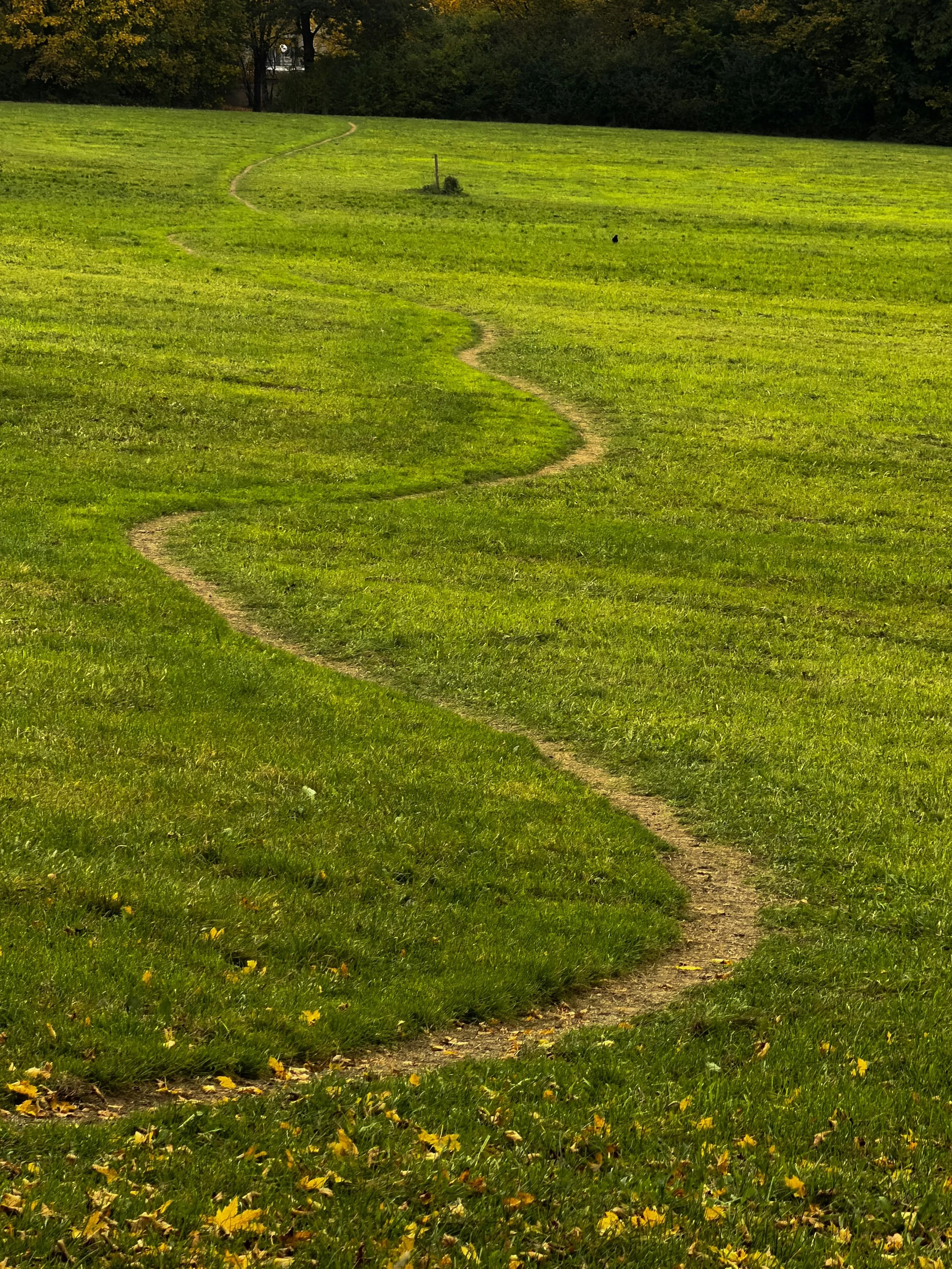
Addiction is a progressive, chronic, relapsing disease. This is just a fact. It doesn’t mean that everyone in recovery is destined to relapse, but it does not mean that if you do relapse, you shouldn’t see it as a failure.
Relapse can be a natural part of the recovery journey, and the circumstances of your relapse might teach you important lessons that you need to learn to stay substance-free for the rest of your life. Maybe you left counselling too soon, maybe you thought you were strong enough to hang out with friends who drink or use, maybe you aren’t taking good enough care of your physical health. Relapse is just a sign that you need to make a change in your life or your treatment.
"Our greatest glory is not in never falling, but in rising every time we fall" – Confucius
"I am not defined by my relapses, but by my decision to remain in recovery despite them" – Anonymous
Relapse
Friends, Family, and Healing
Part of recovery is transforming your social and home lives. You may have to give up
friends who encourage your addictions, and you may need intensive family therapy to
Healing work through issues and improving communication with your loved ones. These steps aren’t easy, but they are crucial. Isolating yourself will lead to relapse, not recovery.
Human beings need to connect with others to thrive, so it’s important to fix the relationships you can and replace those you can’t.
A great way to make new, sober connections is to attend peer support groups like AA
and NA. You’ll find it surprisingly easy to connect with the people you meet in addiction
support groups, because they understand where you’re coming from first-hand, and
they’re working hard to transform their lives, just like you are. Another great thing
about these groups is that they give you the opportunity to help others with their
recovery, which can be even more healing than receiving help sometimes.
Gratitude
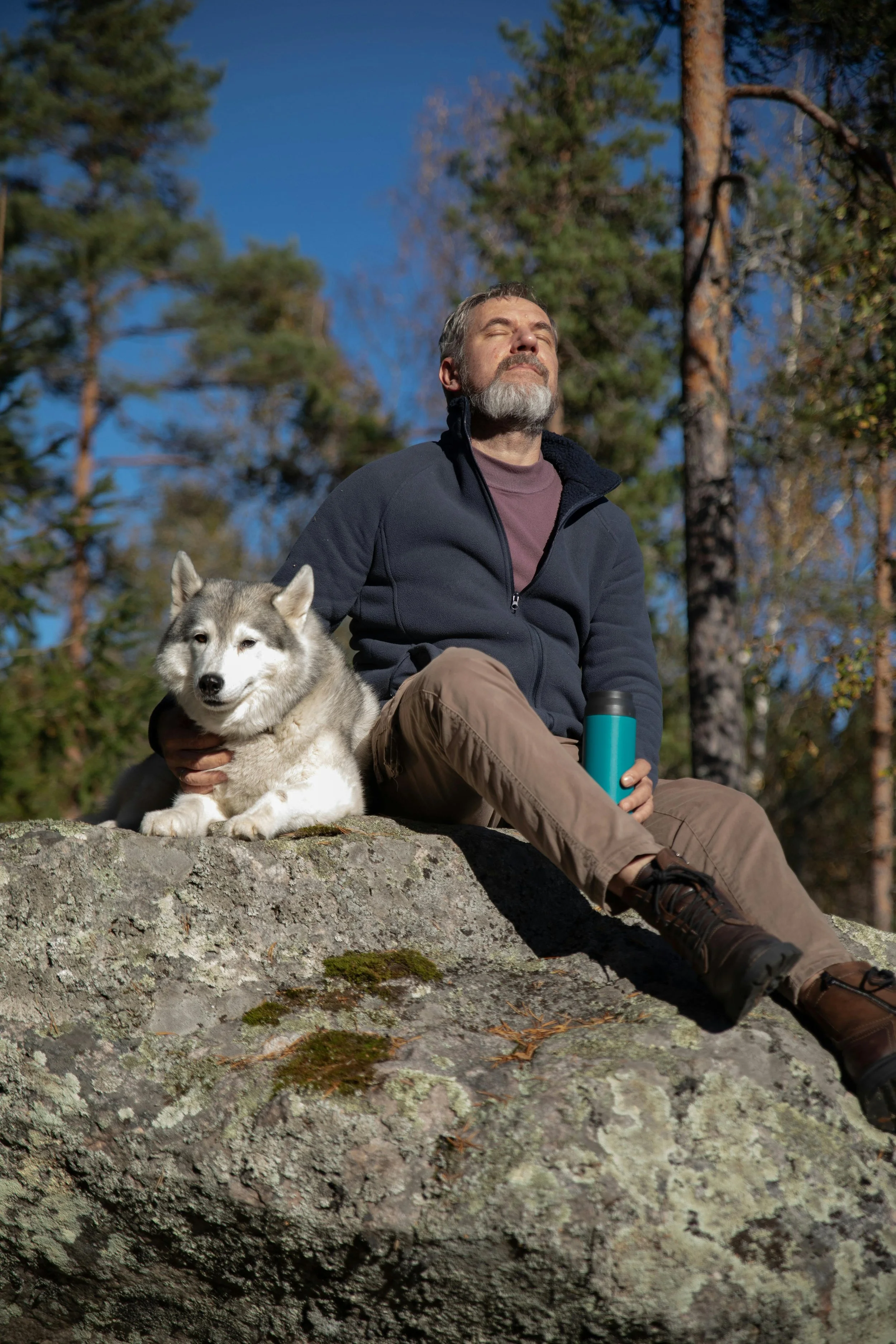
Plenty of recent studies have shown that gratitude is important for all human
beings, no matter their individual challenges. For people in recovery, gratitude
is even more important, and sometimes, less easy to come by. But if you
make an effort, you can find many things to be grateful for in your recovery, in
your life, and in yourself. Making the effort to identify, acknowledge, and value
these things is essential to your current and future happiness.
"Gratitude always comes into play; research shows that people are happier if
they are grateful for the positive things in their lives, rather than worrying
about what might be missing" – Dan Buettner